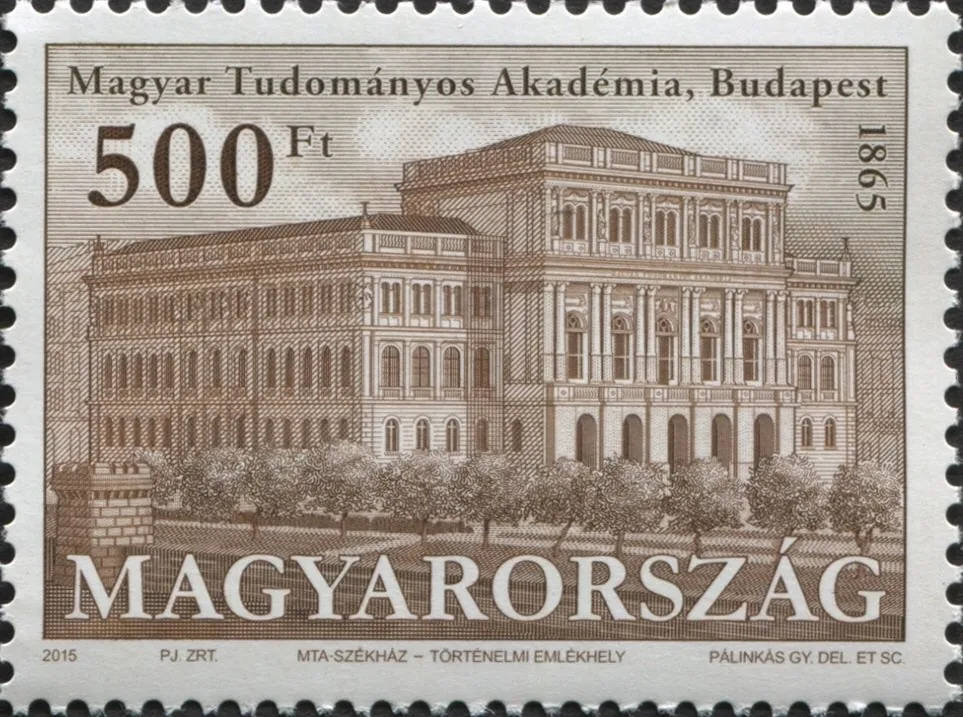
One of the oldest intaglio processes frequently used for stamp production is engraved printing, also known as line engraving.
Engraving produces fine tonal effects, sharp detail and a distinctive tactile impression, which made it a particularly popular process for postage stamps. Preparing the printing surface and carrying out the printing are, however, labour-intensive, time-consuming and expensive. The process begins with a master engraving cut by an engraver at the same size as the finished stamp. From this master, a printing plate or cylinder containing all the stamp subjects required for a full sheet is reproduced, with great care taken to ensure that every position is identical.
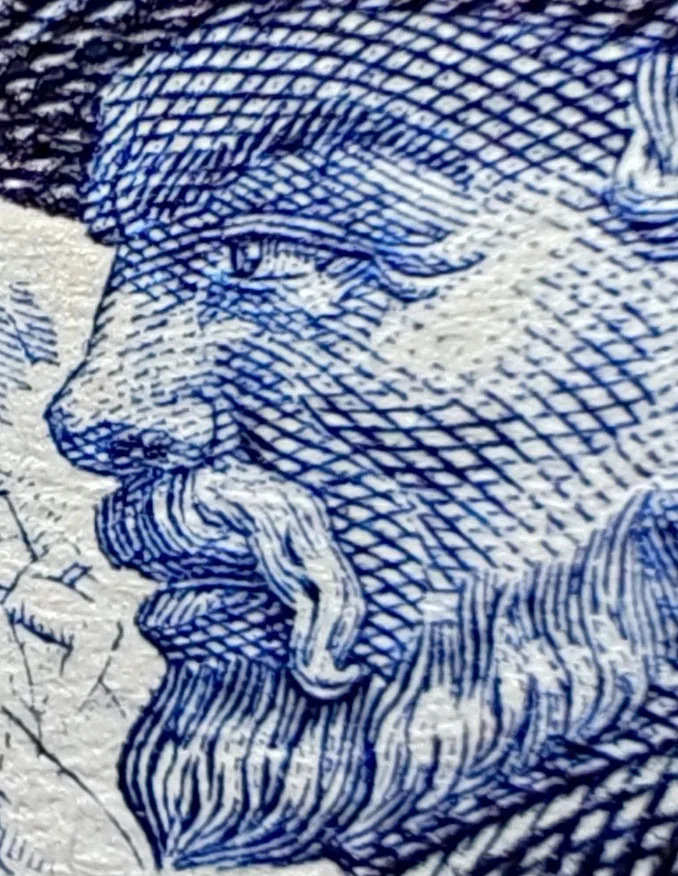
Further working plates can be produced from the original plate. Small defects arising during use were often retouched, and traces of these repairs can sometimes be identified on individual stamps. During printing, the recessed lines of the plate are filled with ink and the surface is wiped clean. Dampened paper is then pressed against the plate under very high pressure, forcing it into the recessed lines and picking up the ink. The ink forms slightly raised ridges on the surface of the paper, which can often be felt with a fingertip. On an engraved stamp, therefore, the relief is on the printed side.
Hungary’s first stamp issue of 1871, depicting Emperor Franz Joseph I, was originally intended to be produced by engraving. Because the necessary engraving and printing tools were not ready in time, production began by lithography instead. These became Hungary’s first lithographed stamps, followed later by the engraved versions.
The differences can be seen particularly clearly on the 10-krajcár values of the 1871 issue and in enlarged views of the same details.


After the 1871 issue, the 1874 and 1881 Coloured-Numeral Krajcár stamps were also engraved, and an engraved version also exists of the 1874 Telegraph issue. After a longer interval, engraving was again used for the 1924 Charity, 1926 Narrow Madonna, 1927 Airmail, 1928–1929 Saint Stephen I–II and 1931 Zeppelin issues. Following the 1949 Petőfi series, engraved stamp production again became more common and many visually striking Hungarian stamps were produced by this technique. Engraving was also combined with other printing processes.
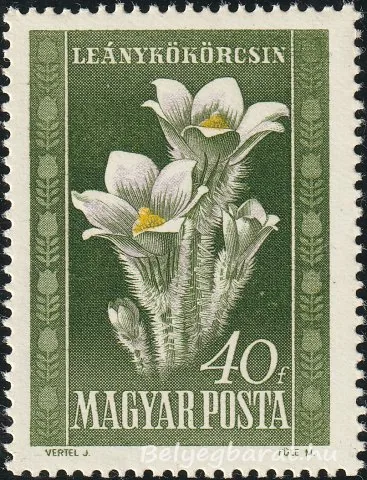
The 1950 Flowers I issue combined engraving with letterpress. Offset and engraving were used together on, among others, the 1951 Flowers II, 1954 Fruits and 1956 Hungarian Dog Breeds issues. After the 1965 Tennis series, engraving became much less common, although it continued to appear occasionally on special issues.