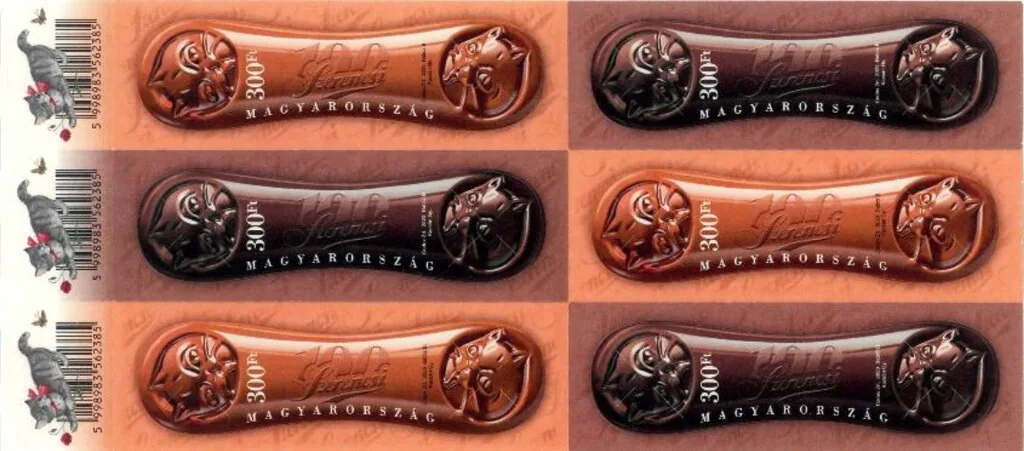
Flexography is a modern form of relief printing named after its flexible printing plate. Its history reaches back to the mid-19th century, when printing presses using flexible rubber printing forms began to appear.
The process became especially popular in the packaging industry because its flexible printing surface can print on a wide range of materials. Early flexographic processes used aniline dyes and were therefore often known as “aniline printing”. Later developments introduced safer inks, modern photopolymer plates, improved drying systems and higher-quality printing inks.
Modern flexographic plates are made from flexible plastic or photopolymer. As in other relief-printing processes, the raised areas of the plate receive the ink and transfer it directly to the printing surface. Modern plates can reproduce much finer detail than the early rubber forms, making the process suitable for stamp production as well.
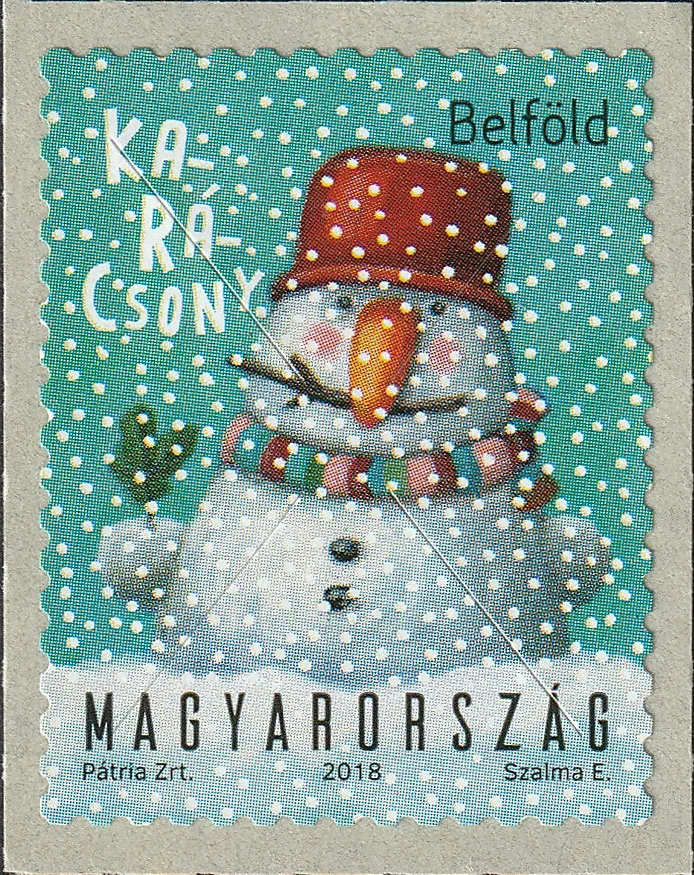
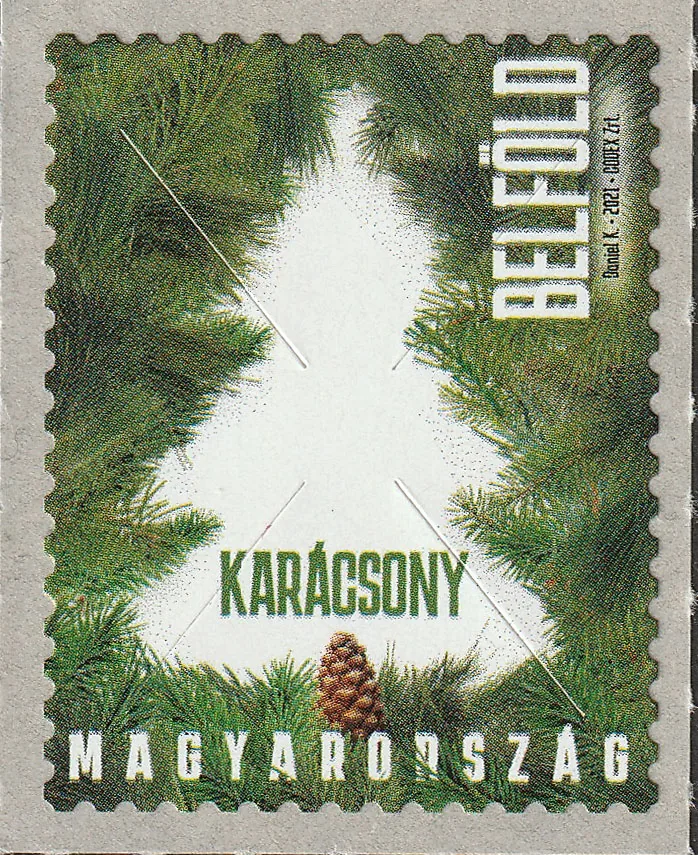
Flexographic printing is often produced in four-colour CMYK. In this process, screened dots of cyan, magenta, yellow and black in different proportions create the full-colour image. Flexography can also use spot colours, with each required colour printed as a separate ink.
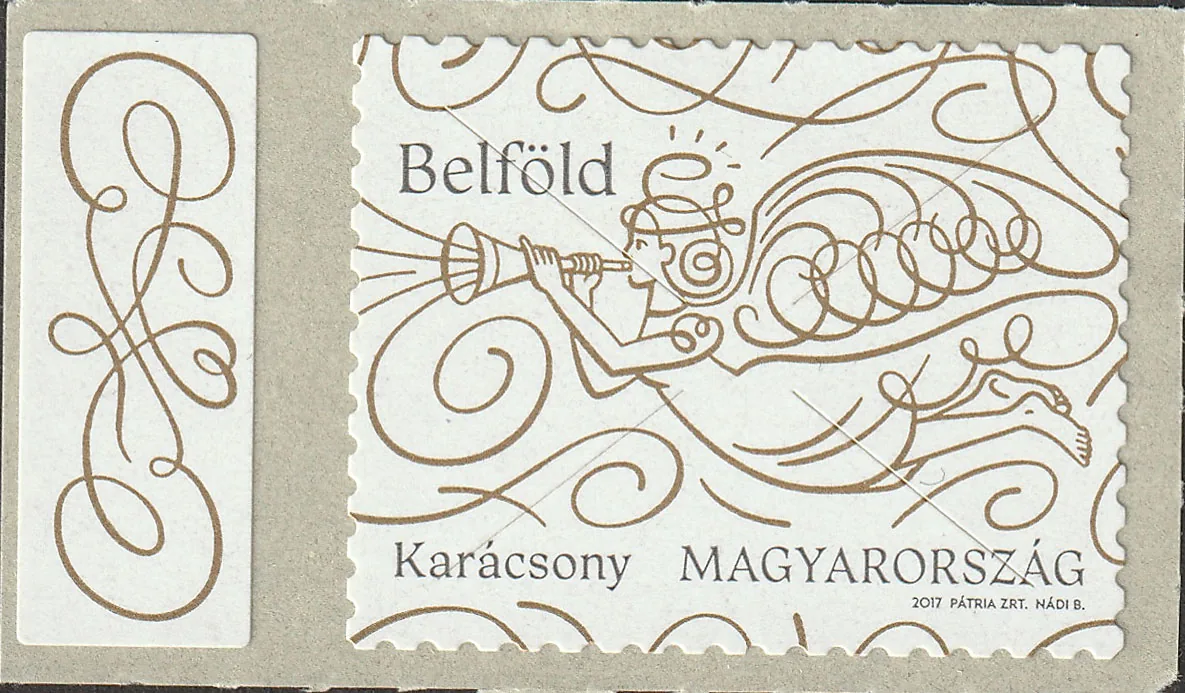
Flexography became more prominent in Hungarian stamp production during the 2010s and has since been used increasingly often. It can also be combined with special surface treatments such as spot varnish or scented screen varnish.