
A postage due stamp was used to account for unpaid or insufficient postage and any additional charge collected after a postal item had entered the postal system. In such cases, the missing amount was normally paid by the recipient on delivery rather than by the sender. Postage due stamps were also occasionally used for other charges prescribed by postal regulations.
Hungary introduced postage due stamps comparatively late, on 1 November 1903, with the issue known as the Black-Numeral Green Postage Due.


Postage due stamps were initially not sold directly to the public; this restriction was lifted in 1914 following requests from collectors. Early postage due stamps usually had simple designs, often consisting only of a frame, inscription and denomination. On some occasions, ordinary definitive stamps were converted into postage due stamps by overprinting, including stamps from the Icarus and Harvester issues.

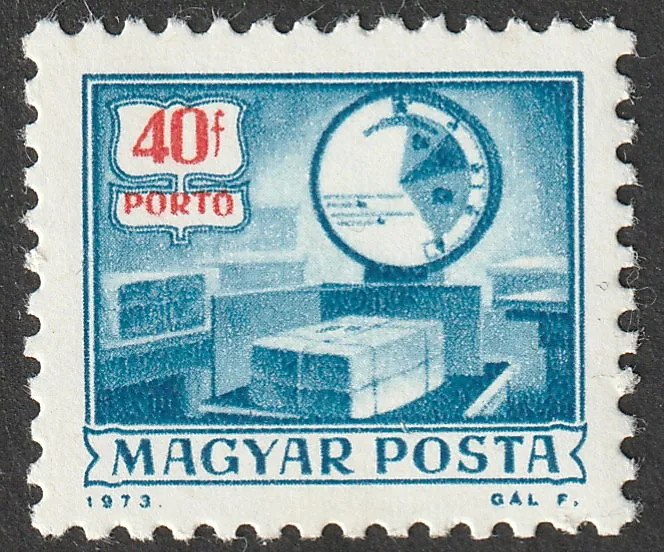
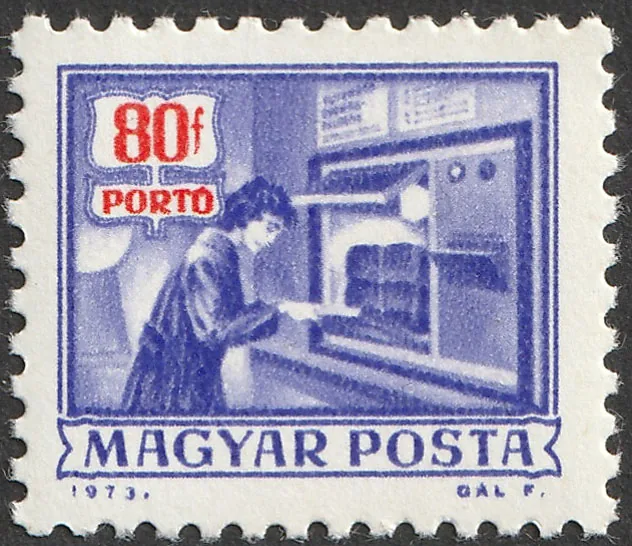
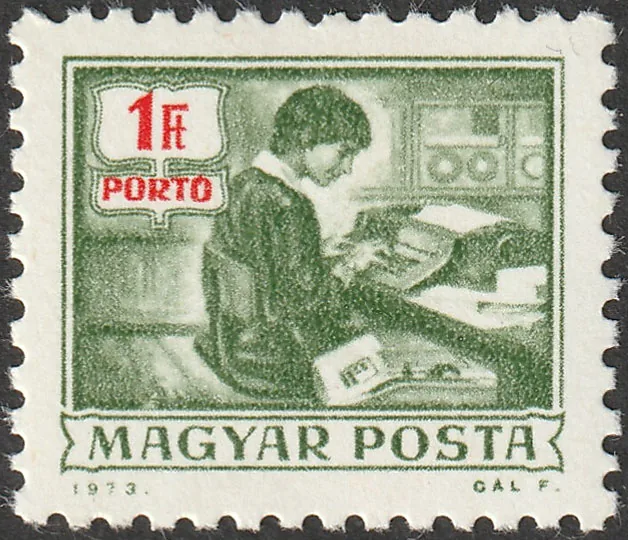
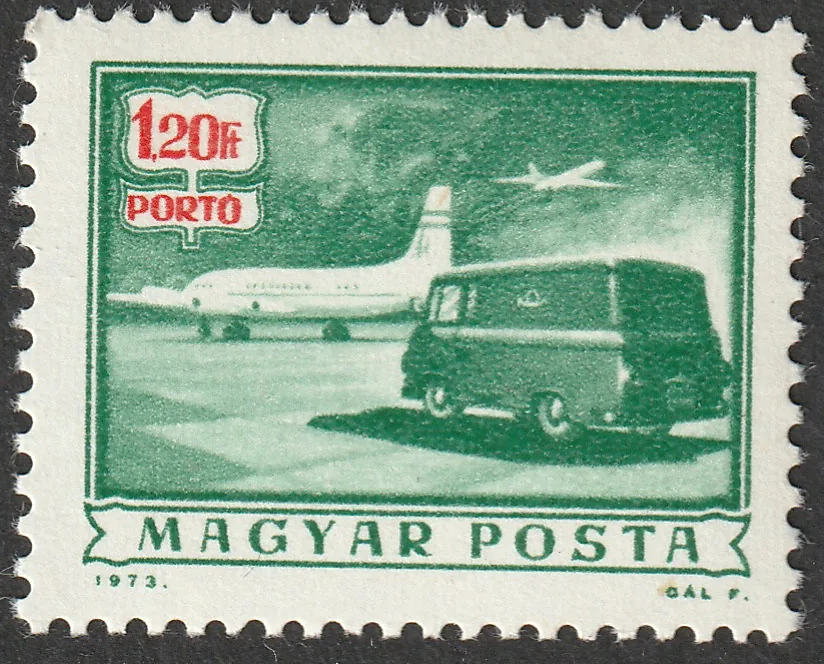
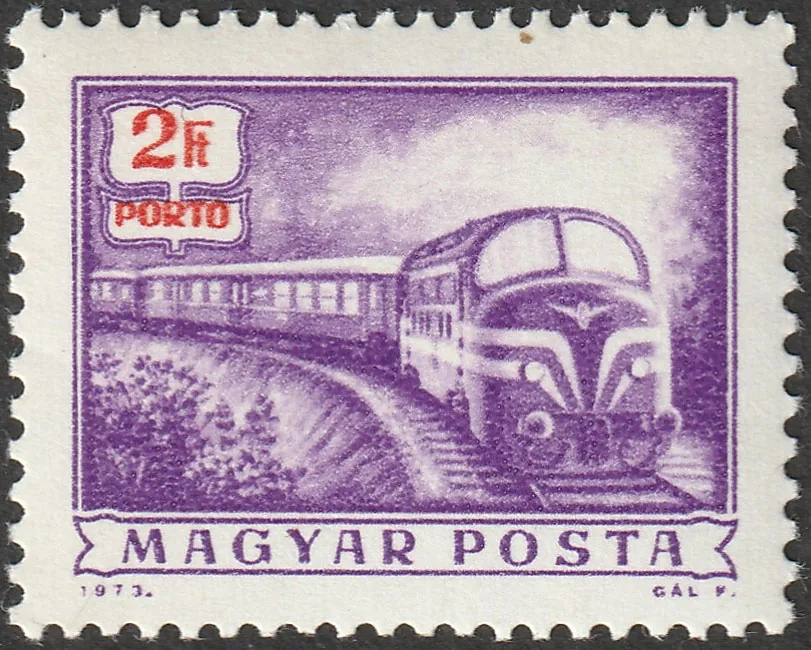


Hungary’s first postage due series to include pictorial designs was the 1973 Pictorial Postage Due issue. The Hungarian Post issued roughly 270 postage due stamps in 29 series, with the final series appearing in 1987. The use of postage due stamps was discontinued on 1 August 2011. Catalogues generally list them in a separate section after the regular postage stamp issues.